

Garage Sale vs Estate Sale: Finding Real Treasures
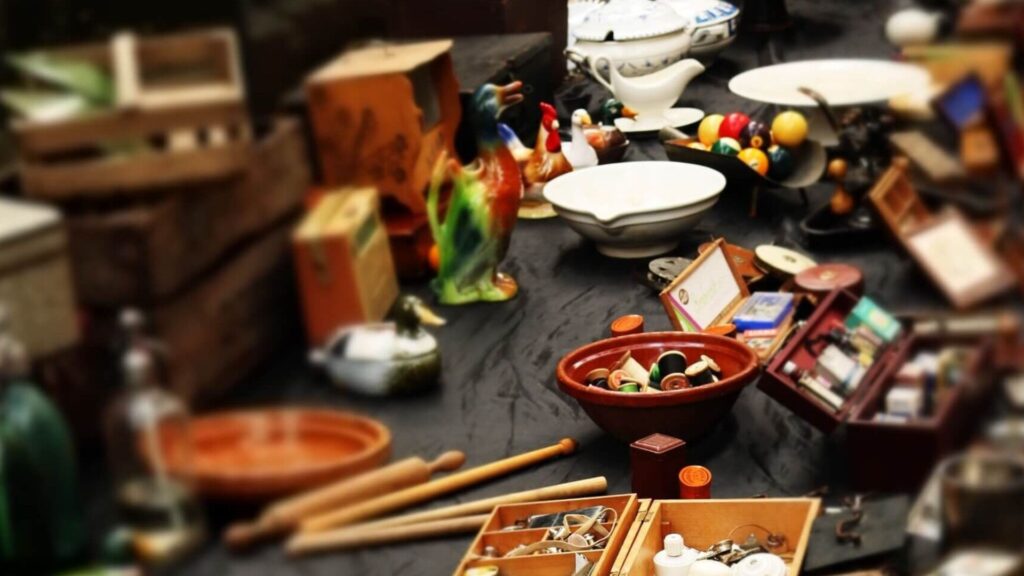
Many people assume that garage sales and estate sales are essentially the same thing. While both events involve selling household items, the experience and inventory can be dramatically different. For buyers seeking antiques, collectibles, and quality furniture, estate sales often offer far greater opportunities. What Is a Garage Sale? Garage sales are typically small events organized by homeowners who want to get rid of unwanted items. The items sold at garage sales are usually things the homeowner no longer needs, such as clothing, toys, kitchenware, and miscellaneous household goods. Prices at garage sales are often extremely low because the goal is simply to clear space. While garage sales can sometimes produce interesting finds, they rarely include the full contents of a home. What Is an Estate Sale? Estate sales, on the other hand, are usually organized when a homeowner passes away, moves, or downsizes. In these situations, most or all of the household contents are sold. Professional estate sale companies often organize these events. They sort items, price them appropriately, and manage the sale over several days. Because estate sales involve entire homes, the inventory is often far more extensive. The Variety of Items at Estate Sales Estate sales frequently include items that would rarely appear at garage sales. These might include: Antique furnitureOriginal artworkVintage jewelryRare booksCollectible glasswareProfessional toolsDesigner clothing Homes that have been lived in for decades may contain items purchased many years ago that have since become collectible. Why Estate Sales Attract Collectors Collectors and antique dealers often prefer estate sales because the inventory has not been filtered or selected in advance. Entire collections may appear in one location, giving buyers the chance to acquire items directly from the source. In Oakland County, estate sales often feature homes filled with furnishings and decor that reflect the area’s history. The Treasure Hunting Experience While garage sales can be fun to browse, estate sales offer a much deeper treasure-hunting experience. Walking through a house filled with decades of personal belongings can reveal items that might otherwise remain hidden. For buyers interested in antiques, collectibles, and unique home decor, estate sales are usually where the real treasures are found.
How to Spot Rare Antiques at Estate Sales | Expert Tips
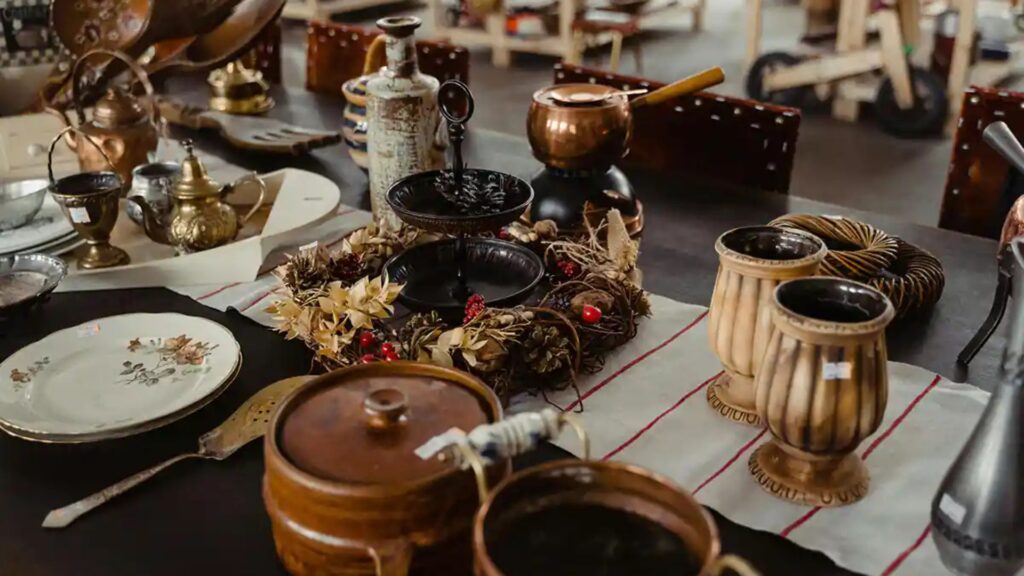
Estate sales are one of the best places to discover antiques that have been quietly sitting in homes for decades. Unlike antique stores, where items have already been curated and priced by dealers, estate sales often present entire households filled with belongings accumulated over a lifetime. For buyers with a trained eye, this creates the opportunity to uncover rare antiques that might otherwise go unnoticed. In Oakland County communities such as Birmingham, Bloomfield Hills, Rochester Hills, and Troy, many homes have been owned by the same families for generations. These properties often contain antique furniture, artwork, decorative objects, and collectibles that reflect decades of history. Knowing how to identify these items can help estate sale shoppers find pieces with real value. Look for Signs of Age and Craftsmanship One of the first clues that an item may be antique is its construction. Furniture and decorative pieces made before the mid-twentieth century were often built using techniques and materials that differ from modern manufacturing. For example, antique furniture may feature hand-cut dovetail joints, solid wood construction, and brass hardware. These details indicate craftsmanship that was common in earlier centuries but less common in mass-produced furniture today. Another sign of age is natural wear. Genuine antiques often show subtle signs of use that develop over many decades, such as patina on wood or slight fading on fabrics. Check for Maker’s Marks and Signatures Many antiques include identifying marks that can help determine their origin. Pottery, porcelain, silverware, and glassware often feature small stamps or engravings indicating the manufacturer. Furniture may include labels, stamps, or carved signatures from the maker. Artwork might be signed by the artist. When attending estate sales, it can be helpful to bring a smartphone to quickly research these marks. Even a brief search can reveal whether an item was produced by a well-known maker. Examine Materials Carefully Antique items are often made from higher-quality materials than modern equivalents. Solid hardwoods such as oak, walnut, and mahogany were commonly used in furniture. Decorative pieces might include materials such as bronze, marble, or hand-blown glass. Weight can also be a clue. Older items made from quality materials often feel heavier than newer pieces made from particleboard or plastic. Pay Attention to Style and Design Certain historical design styles are strongly associated with antiques. Victorian furniture from the late 1800s, Art Deco pieces from the 1920s and 1930s, and mid-century modern designs from the 1950s all have distinctive characteristics. Learning to recognize these styles can help buyers identify antiques quickly when walking through an estate sale. Explore Every Room of the Home Some of the most valuable antiques are found in unexpected places. While living rooms and dining rooms often contain obvious decorative pieces, attics, basements, and garages can sometimes hold items that were stored away long ago. Boxes of old books, tools, or collectibles may contain hidden treasures. Estate Sales Offer Real Discovery The excitement of estate sale shopping comes from the possibility of discovery. Because estate sales present entire households rather than carefully curated inventory, buyers have the chance to uncover antiques that may not have been examined in decades. With patience and curiosity, estate sales can become one of the most rewarding ways to discover rare and historic pieces.
Why Estate Sales Are Becoming More Popular Than Ever
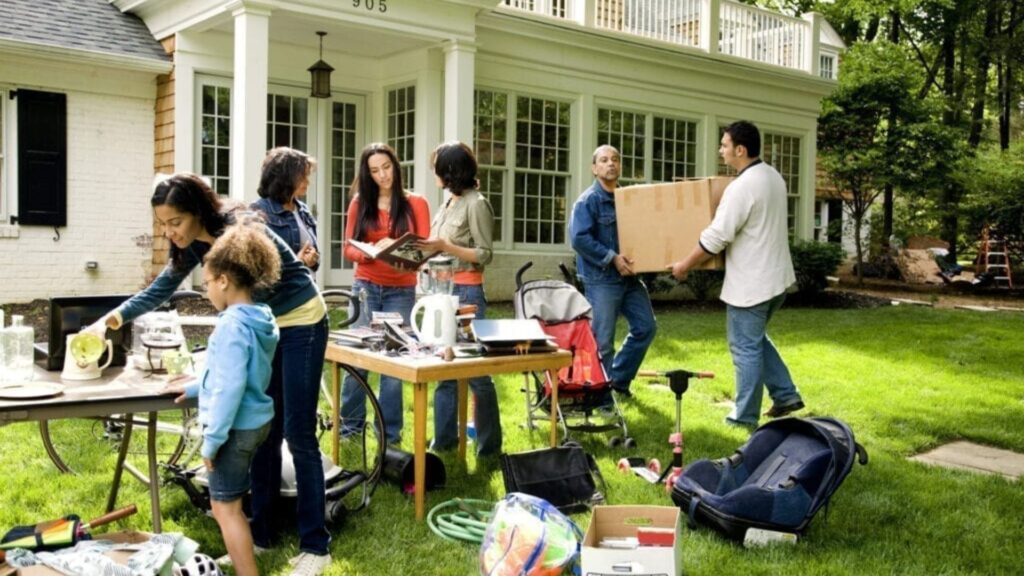
Estate sales have grown dramatically in popularity over the past decade. What was once a niche activity has become a favorite weekend event for collectors, interior designers, and everyday shoppers. Several trends have contributed to this growth. Vintage Style Is Trending Many homeowners are moving away from mass-produced furniture and decor. Vintage pieces offer character, craftsmanship, and uniqueness that modern retail items often lack. Sustainable Shopping Estate sales promote sustainability by giving items a second life. Instead of discarding furniture and household goods, estate sales allow them to be reused. The Thrill of Discovery Unlike traditional stores, estate sales offer constantly changing inventory. Buyers never know what they might find. This element of surprise keeps shoppers returning again and again. Local Community Events Estate sales also serve as community gatherings where people with similar interests connect. For residents throughout Oakland County, estate sales have become a regular weekend activity that combines shopping, history, and discovery.
Hidden Places Valuable Items Are Often Found in Homes
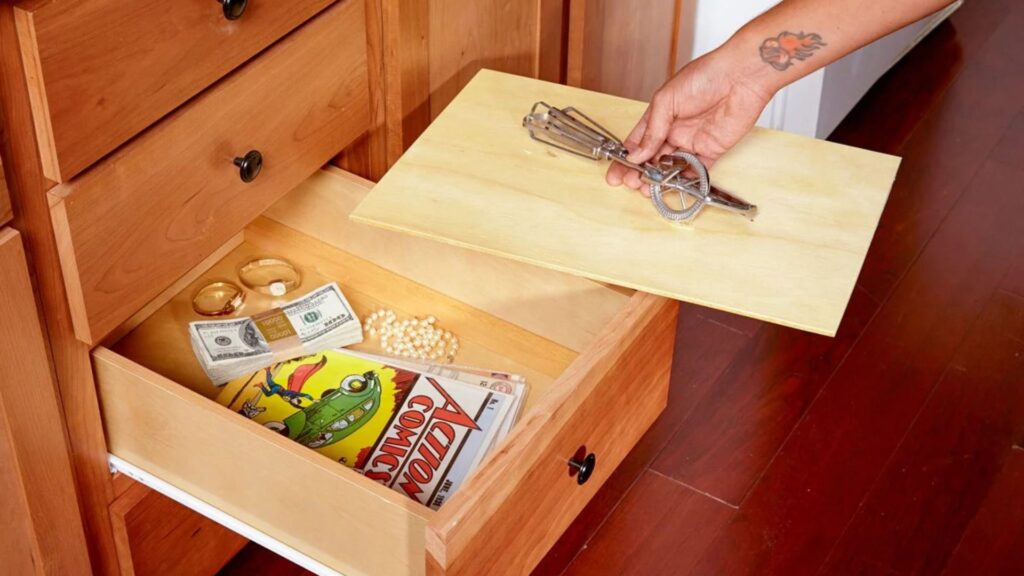
One of the most fascinating aspects of estate sales is discovering items tucked away for decades. Some of the most valuable finds occur in areas that casual shoppers might overlook. Experienced estate sale buyers always check the following locations carefully. Basements Basements often contain tools, vintage equipment, and storage boxes that have not been opened for years. These spaces sometimes hold antique furniture or collectible items. Attics Attics can contain items that were stored away long ago and forgotten. Vintage toys, clothing, and holiday decorations frequently appear here. Garages Garages are excellent places to find tools, automotive equipment, and workshop supplies. Desk Drawers Old desks sometimes contain coins, jewelry, or small collectibles. Bookshelves Bookshelves may hold rare books or valuable first editions. Because estate sales involve the entire contents of a home, buyers have the opportunity to explore spaces that would normally remain private. This element of discovery is what makes estate sales so exciting.
Estate Sale Shopping Checklist for Beginners
Attending your first estate sale can be an exciting experience, but it helps to arrive prepared. Unlike traditional stores, estate sales operate quickly and sometimes involve large crowds during the first few hours. A little preparation can help first-time shoppers make the most of their visit. Bring Cash While many estate sales accept credit cards, cash is often the fastest and simplest payment method. Arrive Early Early arrivals usually have the best selection of items. Valuable pieces often sell quickly during the first morning of the sale. Bring Measurements If you’re shopping for furniture, knowing the dimensions of your available space can help you avoid purchasing something that doesn’t fit. Bring Bags or Boxes Small items such as glassware or collectibles may need protective containers for transport. Inspect Items Carefully Most estate sales operate under “as is” conditions, so buyers should examine items carefully before purchasing. Be Respectful Remember that estate sales take place inside private homes. Respect any areas that are marked off limits. With the right preparation, estate sale shopping can be both enjoyable and rewarding.
How to Spot Valuable Jewelry at Estate Sales
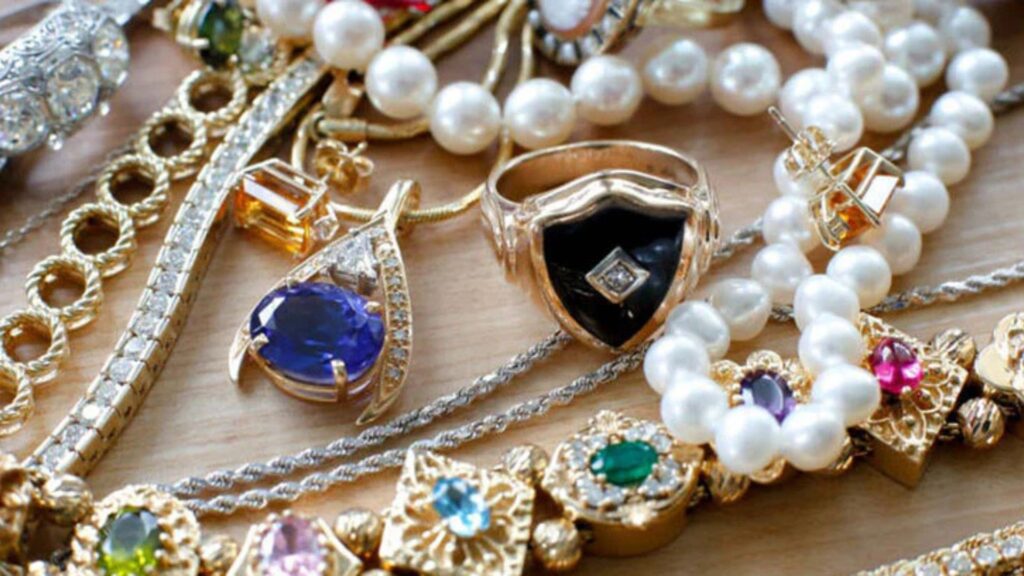
Jewelry is one of the most exciting categories to explore at estate sales. Small pieces can sometimes hold significant value, and collectors often search estate sales for vintage or precious items. In Oakland County estate sales, jewelry displays are usually located near checkout areas or inside glass cases for security reasons. However, knowing what to look for can help buyers quickly recognize valuable pieces. Look for Hallmarks Many jewelry pieces contain small markings that indicate metal content or manufacturer information. These markings may include stamps such as: 14K18K925 (sterling silver)Platinum These hallmarks indicate that the piece contains precious metals, which typically increases its value. Examine the Weight Gold and silver jewelry tend to feel heavier than costume jewelry made from lightweight alloys. If a piece feels unusually heavy for its size, it may contain precious metal. Watch for Designer Brands Certain jewelry brands maintain strong collector demand. Vintage pieces from Tiffany & Co., Cartier, or David Yurman can command high resale prices. Costume jewelry brands such as Trifari and Eisenberg are also highly collectible. Inspect Gemstones Carefully Not every gemstone is valuable, but certain stones, such as diamonds, emeralds, and sapphires, can significantly increase a piece’s worth. Look for clarity, color, and how the stone is set within the jewelry. Check for Matching Sets Jewelry sets that include matching necklaces, bracelets, and earrings can sometimes be worth more than individual pieces. Estate sales occasionally reveal full sets stored together in jewelry boxes. Ask Questions Professional estate sale companies often have staff available who can answer questions about jewelry pieces. Some sales may even include professional appraisals for higher-value items. For buyers willing to learn the basics of jewelry identification, estate sales can offer exciting opportunities to discover valuable pieces.
20 Things Resellers Always Look For at Estate Sales
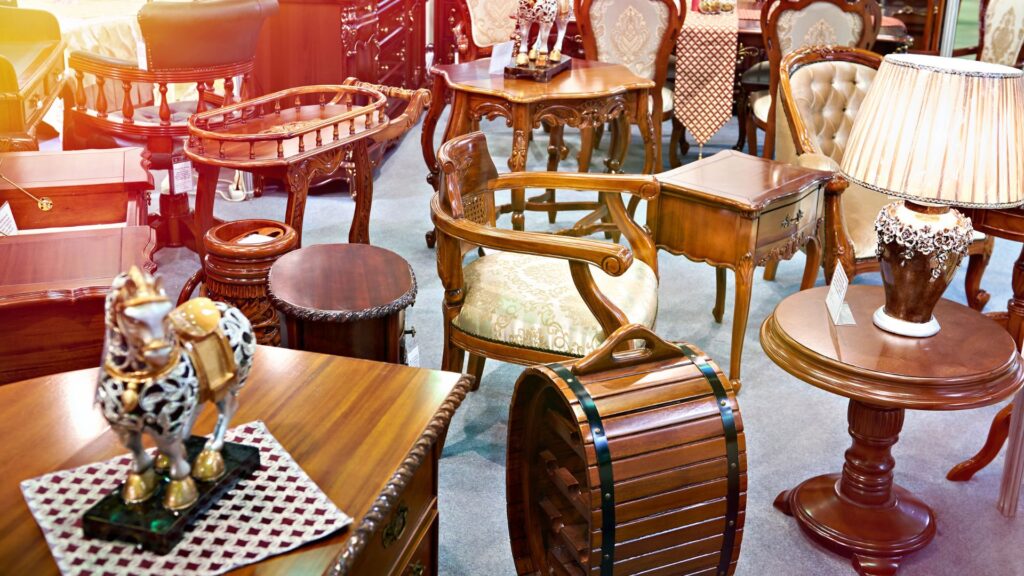
Estate sales are not just popular with homeowners searching for affordable furniture or home decor. Many experienced shoppers attend estate sales specifically to find items they can resell. These buyers know exactly what categories tend to hold value and which items often sell quickly in secondary markets. In Oakland County estate sales, it’s common to see resellers arriving early in the morning, hoping to uncover valuable items before others spot them. Here are 20 categories that experienced estate sale shoppers often search for. Vintage Jewelry Gold and silver jewelry is among the most sought-after items at estate sales. Even broken jewelry can have value because of the precious metal content. Vintage costume jewelry from brands such as Trifari, Weiss, or Coro can also be collectible. Mid Century Modern Furniture Furniture from the 1950s and 1960s has become incredibly popular among collectors and interior designers. Pieces made by companies like Herman Miller, Lane, and Drexel often attract strong interest. Antique Tools Older tools, especially hand tools made before the 1960s, can be highly collectible. Many craftsmen prefer the durability of vintage tools to that of modern versions. Vinyl Records Vinyl records have experienced a major comeback in recent years. Estate sales often contain large collections of classic rock, jazz, and blues albums that collectors are eager to purchase. Vintage Cameras Film cameras from brands like Leica, Nikon, and Canon can still be valuable today. Some collectors search estate sales specifically for older photography equipment. Rare Books Older homes sometimes contain extensive collections of books. First editions, signed copies, and antique publications can be worth far more than their original price. Artwork Original artwork, limited edition prints, and signed pieces often appear at estate sales. Even lesser-known artists may attract interest from collectors. Coins and Currency Many homeowners quietly collected coins or foreign currency over the years. Estate sales occasionally reveal collections hidden inside drawers or desk compartments. Antique Kitchenware Cast iron cookware, vintage Pyrex dishes, and older kitchen tools are extremely popular among collectors and home cooks. Sports Memorabilia Vintage baseball cards, autographed items, and sports collectibles can be valuable depending on rarity and condition. Musical Instruments Estate sales sometimes include guitars, violins, and other instruments that have been stored away for years. Vintage Clothing Designer clothing from past decades can appeal to both collectors and fashion enthusiasts. Military Memorabilia Uniforms, medals, and historical artifacts often interest military collectors. Watches Vintage watches from brands like Omega or Rolex can sometimes appear at estate sales. Antique Toys Old toys such as model trains, tin toys, and early action figures are frequently collectible. Pottery and Ceramics Handmade pottery and collectible ceramic pieces can attract significant interest. Vintage Electronics Early radios, stereo systems, and recording equipment sometimes appear in older homes. Glassware Depression glass and other vintage glassware collections remain popular among collectors. Sewing Machines Older sewing machines from brands like Singer are often highly durable and desirable. Unique Decor Pieces Decorative items such as antique mirrors, lamps, and sculptures can easily be resold or incorporated into modern homes. For resellers and collectors, estate sales offer an ever changing marketplace filled with opportunity.
How Estate Sales Tell the Story of a Home
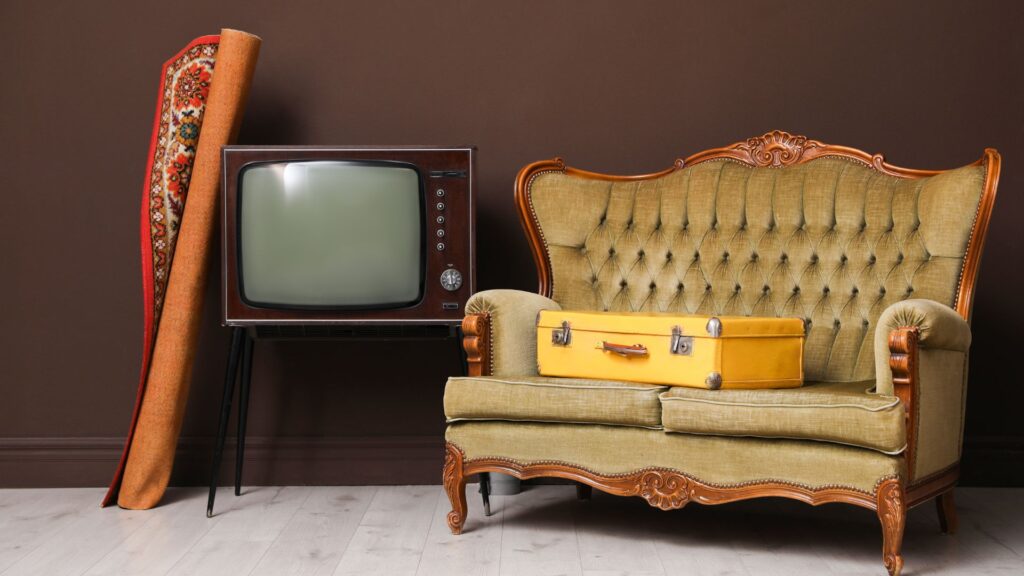
Every estate sale offers a glimpse into the life of the person who lived there. Unlike retail stores, where inventory is carefully selected and curated, estate sales present the authentic belongings of a real household. These belongings often reflect decades of personal interests, hobbies, travels, and family history. For many shoppers, estate sales are not just about purchasing items — they are about exploring the stories behind them. A Lifetime of Collected Memories When homeowners live in a house for many years, they accumulate items that represent different chapters of their lives. Travel souvenirs, family photographs, antique furniture, artwork, and personal collections all contribute to the home’s unique character. Estate sales reveal these items in the spaces where they were once used and enjoyed. Visitors might see a collection of vintage cameras belonging to a photography enthusiast, shelves filled with books from a lifelong reader, or antique tools once owned by a craftsman. Discovering Personal Hobbies Many estate sales highlight hobbies that were important to the homeowner. Some homes feature extensive collections of fishing gear, woodworking tools, sewing equipment, or musical instruments. These items often attract buyers who share similar interests and appreciate the opportunity to continue using them. Preserving Pieces of Local History Estate sales can also reflect the history of the surrounding community. Homes in older Oakland County neighborhoods sometimes contain items that date back several generations. Vintage photographs, historical documents, and antique furniture may provide insight into the area’s past. While buyers purchase these items for practical or decorative purposes, they also help preserve pieces of local history. A Unique Shopping Experience Unlike typical shopping experiences, estate sales allow visitors to explore entire homes filled with meaningful objects. Each room reveals something new, and each item carries a story. This sense of discovery is what makes estate sales so fascinating. For many buyers, attending estate sales is about more than simply shopping. It is about appreciating the lives and histories reflected within the homes themselves.
Why Estate Sales Are a Great Way to Shop Sustainably

In recent years, many shoppers have become more conscious of sustainability and waste reduction. Estate sales offer a simple and effective way to shop responsibly while still finding beautiful and functional items for the home. Rather than purchasing newly manufactured goods that require additional resources and energy to produce, estate sale shoppers give existing items a second life. This approach benefits both the environment and the local community. Reducing Household Waste When homes are cleared during estate transitions, many items could easily end up in landfills if they are not sold or donated. Estate sales help ensure that furniture, decor, kitchenware, tools, and household goods find new owners who will continue to use them. This reduces the amount of waste generated during estate cleanouts. Extending the Life of Quality Items Many older household items were built with higher-quality materials than modern equivalents. Solid wood furniture, durable cookware, and handcrafted decor pieces often last for decades. By purchasing these items at estate sales, buyers help extend their useful lifespan rather than replacing them with lower-quality alternatives. Supporting Local Communities Estate sales also benefit local communities by connecting buyers and sellers directly. Families managing estates can responsibly distribute belongings, while shoppers gain access to unique items at reasonable prices. Some estate sale companies also coordinate donations for unsold items, allowing charities and community organizations to benefit as well. A Sustainable Alternative to Fast Furniture Modern furniture trends sometimes prioritize convenience and low cost over durability. Many pieces are designed to last only a few years before being replaced. Estate-sale furniture, on the other hand, often represents craftsmanship that has already endured for decades. By choosing vintage furniture and decor, buyers support a more sustainable approach to home design.
Estate Sale Finds That Can Increase in Value Over Time
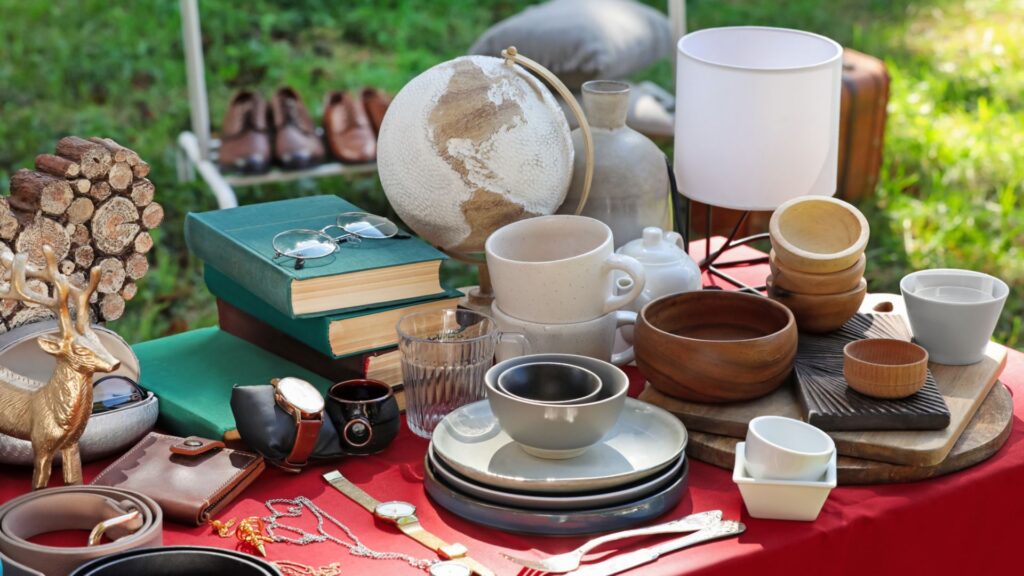
While many people attend estate sales simply for fun or to find affordable household items, others approach estate sales as opportunities for long-term investment. Certain items discovered at estate sales can increase in value over time, especially if they are rare, historically significant, or highly collectible. In Oakland County estate sales, it is not uncommon for buyers to discover items purchased decades ago that have since become more desirable. Understanding which items may hold future value can make estate sale shopping even more exciting. Antique Furniture Well-crafted antique furniture has maintained strong value for many years. Pieces made from solid hardwoods such as oak, walnut, and mahogany often retain their appeal among collectors and interior designers. Furniture styles from the late 1800s and early 1900s, as well as mid-century modern pieces from the 1950s and 1960s, remain especially popular. When properly cared for, antique furniture can appreciate in value as supply becomes more limited. Rare Books and First Editions Books are another category that occasionally increases in value. First edition novels, signed copies, and rare publications can become highly collectible among bibliophiles. Estate sales sometimes reveal libraries that have been quietly accumulating for decades. Buyers who take the time to examine older books may discover valuable editions hidden among ordinary titles. Vintage Watches and Jewelry Vintage watches and jewelry can also hold significant value, particularly when they include precious metals or recognizable brands. Gold and silver jewelry often retains value due to the intrinsic worth of the materials. Meanwhile, certain watch manufacturers have strong collector markets. Collectible Toys and Memorabilia Toys from the mid twentieth century have become surprisingly valuable in recent years. Vintage action figures, model trains, comic books, and sports memorabilia often appear at estate sales. Collectors are particularly interested in items that remain in good condition or include original packaging. Artwork and Prints Original artwork and limited edition prints can sometimes appreciate significantly over time. Even pieces created by lesser-known artists may gain value if interest in their work increases. Estate sales sometimes include artwork purchased directly from galleries or collected during travel. For buyers with patience and curiosity, estate sales offer the potential to uncover items whose value may grow in the future.